Preparing for grooming
Help your pet become familiar with gentle handling, brushing, and the sounds associated with grooming. Share relevant coat care needs, behavioral preferences, and comfort concerns with your groomer before the appointment.

Your pet grooming questions, answered
Find practical answers about preparing your dog or cat for grooming, maintaining a healthy-looking coat, choosing suitable brushing routines, and helping your companion feel more comfortable during regular care. Learn what to expect from grooming appointments and how simple habits at home can keep your pet clean, tidy, and relaxed between visits.
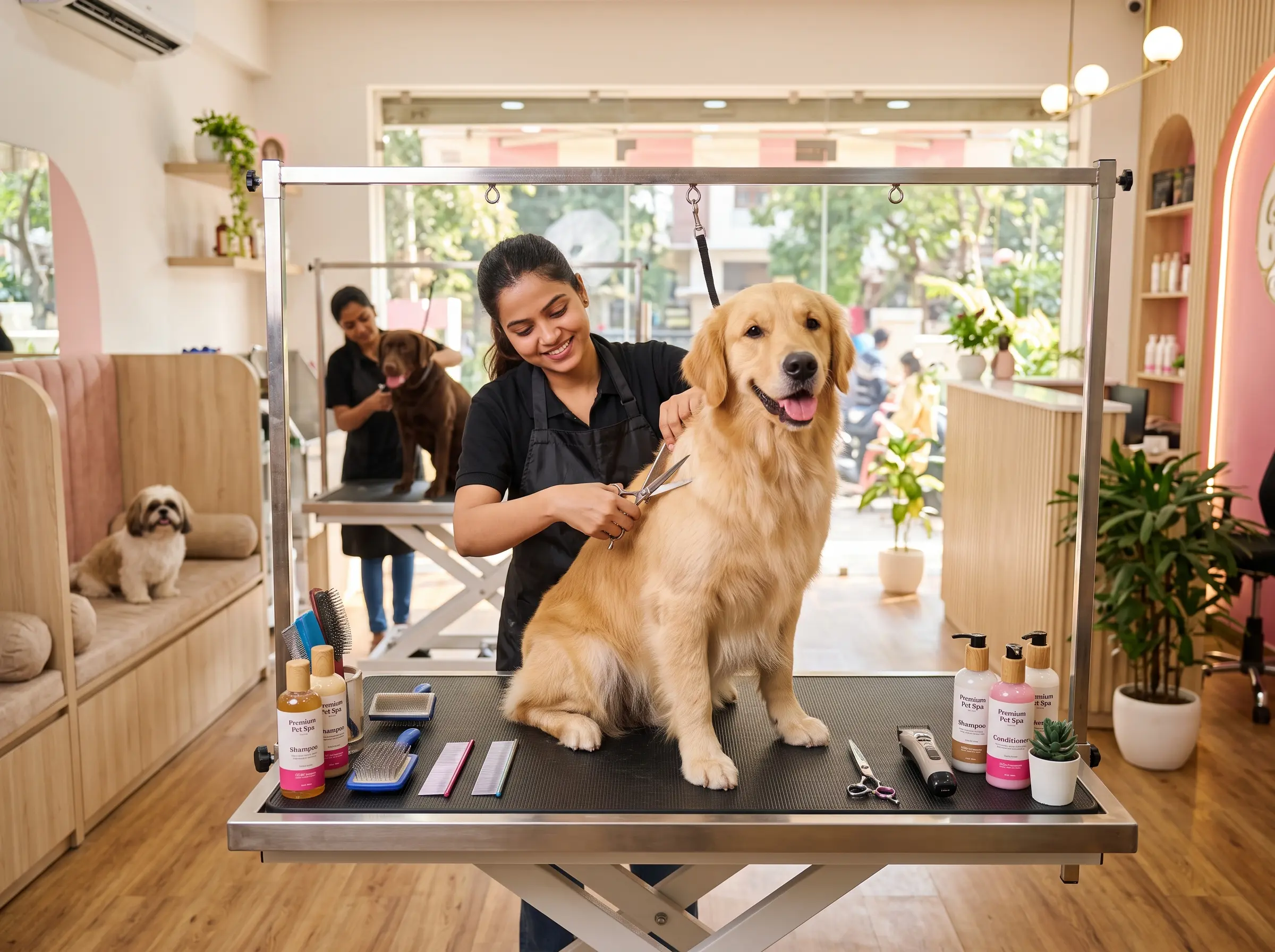
Help your pet become familiar with gentle handling, brushing, and the sounds associated with grooming. Share relevant coat care needs, behavioral preferences, and comfort concerns with your groomer before the appointment.
Use brushing tools appropriate for your pet's coat type, work patiently through tangles, and follow a consistent routine. Regular maintenance can help reduce loose hair, prevent mats, and keep the coat looking neat between professional grooming sessions.
Allow your companion time to adjust to unfamiliar grooming steps, use calm and gentle handling, and watch for signs of stress or discomfort. Keep up with routine care and consult a veterinarian when you notice skin changes, unusual irritation, or other health concerns.
Start by helping your pet become comfortable with gentle handling at home. Briefly touch the paws, ears, and areas around the face only as your pet tolerates, and introduce brushing gradually with a suitable tool. Keep these experiences calm and positive, using praise and appropriate rewards when helpful. Before the appointment, let your groomer know whether your dog or cat is unfamiliar with grooming, dislikes certain types of handling, or has areas that are sensitive to touch. Follow any preparation instructions provided for the specific service. Avoid forcing your pet through an experience that causes significant distress, and ask your groomer how to make future visits more manageable if your companion is anxious.
The appropriate grooming schedule depends on your pet's species, breed, coat length, coat texture, lifestyle, and tolerance for handling. Long-haired pets and coats that tangle easily often need more frequent brushing and maintenance than short, low-maintenance coats. Bathing and trimming schedules can also differ depending on the individual animal and the services required. Rather than following one schedule for every pet, monitor the coat for tangles, excess dirt, loose hair, and signs that routine maintenance is becoming difficult. Your groomer can suggest a practical schedule based on your companion's coat and grooming needs. For persistent skin problems, unusual shedding, or other health-related changes, seek advice from a veterinarian.
Small tangles may sometimes be eased with an appropriate grooming tool and patient, gentle brushing, provided your pet remains comfortable. Avoid pulling sharply, brushing aggressively, or repeatedly working on an area that causes your companion pain or distress. Tight mats can trap moisture and place tension on the skin, making removal uncomfortable and potentially causing injury if handled incorrectly. Do not use household scissors to cut mats close to the skin, because skin can be drawn into the tangled coat and accidentally cut. For dense, tight, or extensive matting, consult a professional groomer about the safest approach. If the skin beneath the mat appears sore, swollen, damaged, or infected, contact a veterinarian before attempting removal.